
Protecting Your Pet From Household Mold: Prevention & Early Signs
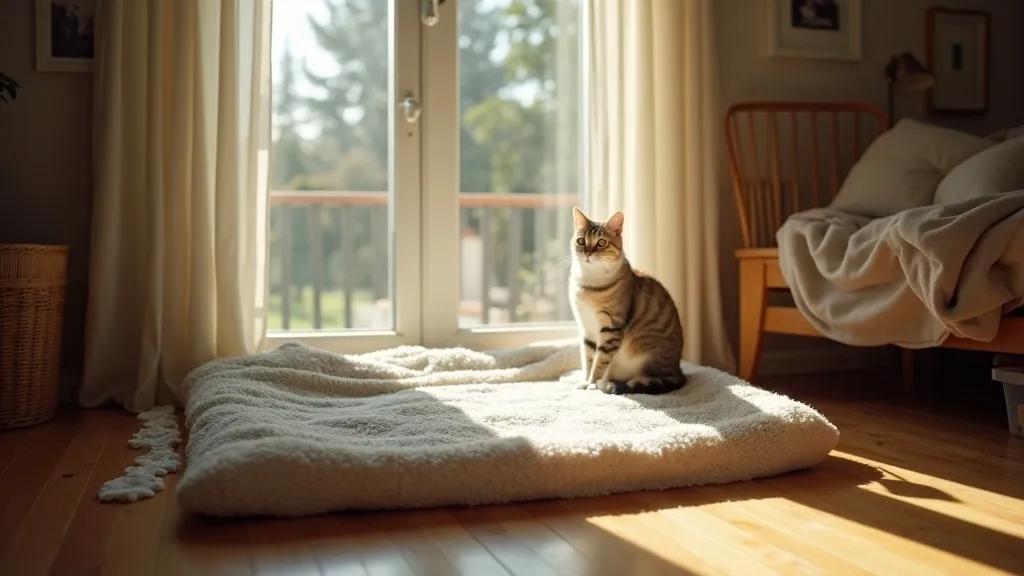
Most household-mold worry about pets resolves into one calm idea: mold needs moisture, so controlling moisture is how you protect your pet. Breathed in, mold is an allergen for some pets, causing itchy skin and sneezing. The serious risk is a pet eating mold. And the simplest prevention happens in the places your pet already lives: their bedding, the carpet, the damp corner of a room.
This is the prevention-first companion to our pet owner’s guide to mold and pet health. We don’t sell remediation; we’ll point you to people who do for the building side. Here’s how to keep the problem from starting, and how to spot it early.
Where mold grows — including the spots your pet uses
Mold isn’t only the black patch on bathroom grout. The CDC notes it can grow in dust, paints, wallpaper, insulation, drywall, carpet, fabric, and upholstery, which includes a lot of the soft, absorbent surfaces a pet spends its day on.
The common thread is moisture, not a particular room. Anywhere that stays damp is a candidate — and that reframes prevention from “scrub harder” to “keep it dry.”
Prevention is moisture control
The EPA’s guidance is refreshingly blunt: the key to mold control is moisture control. Dry water-damaged areas within 24–48 hours, and fix leaky plumbing. For a pet household, that turns into a handful of small habits:
- Wash and fully dry pet bedding on a regular schedule. Washing keeps mold from establishing on fabric in the first place — prevention, not rescue.
- Don’t let damp things sit. Wet bowls, towels, and bath mats that stay wet are starting points; dry them or move them.
- Move air through damp rooms. A fan, a cracked window, or a dehumidifier in a basement or bathroom lowers the humidity mold needs.
- Fix leaks fast. A slow under-sink drip or a leaky window is a steady moisture supply. The 24–48-hour window is the whole point.
One honest limit: washing prevents mold, but it doesn’t reliably save an item that’s already molded. The EPA notes that absorbent or porous materials may have to be thrown away if they become moldy, because the mold is hard or impossible to remove completely. So wash the bed routinely, but replace a foam bed that’s visibly, deeply molded rather than trying to salvage it.
Don’t forget the food bowl
An easy-to-miss spot: the bowl. In the NSF International 2011 Household Germ Study — a small study of 22 families, so read it as a useful signal, not a population statistic — the pet food bowl ranked as the 4th-germiest of 30 household items, and the study found combined “yeast and mold” on 45% of bowls and more than half of pet toys tested. (That’s NSF International, the public-health organization — not the National Science Foundation.) The fix is dull and effective: wash bowls and refillable water dishes regularly rather than topping them off for days.
The calm baseline: irritation, not poisoning
It’s worth saying clearly, because mold content online skews alarmist: for most pets in most damp homes, the realistic outcome of inhaled mold is irritation, the allergy-type signs above, not a medical emergency. Serious airborne mold poisoning in pets is rare and mostly known from isolated case reports, not from common experience. That baseline is what keeps prevention sane: you’re lowering an everyday allergen and tidying up a building issue, not defusing a bomb.
The two situations that do warrant fast action are different in kind: a pet eating mold (an urgent call for vomiting, tremors, or seizures), and a home with a large or hidden mold problem that keeps re-exposing everyone in it.
Early signs worth a vet visit
Because the air-side signs overlap with ordinary allergies, the rule is “these mean ask your vet,” not “these mean mold”:
If you’re already keeping a close eye on an older pet, any new breathing or skin change is worth a faster look from your vet, and an environmental irritant like mold is simply one more thing worth ruling out. Our guides on signs your dog is dying, when to put your dog down, and when to put your cat down walk through reading those changes in a senior pet.
When the home needs a professional
A small surface spot you can clean and dry is one thing. You’re past DIY when the mold is larger than a modest patch, when it keeps coming back after you clean it, or when it’s hidden — inside walls, in HVAC, or under flooring after a leak or flood. At that point the problem isn’t really about your pet anymore; it’s a building-moisture problem that keeps re-exposing whoever lives there.
That’s the moment for a professional. A proper mold inspection finds the moisture source you can’t see, and remediation removes the mold at the source — our colleagues at Mold Pros Phoenix cover how household mold forms and gets removed in depth. Fixing the source is what actually ends the exposure; cleaning the visible surface while a hidden leak feeds it just resets the cycle.
The bottom line
Mold needs moisture, so protecting your pet is mostly about keeping their world dry: wash and dry the bedding, clean the bowls, ventilate the damp rooms, and fix leaks inside the 24–48-hour window. Most exposure causes irritation, not poisoning — the genuine emergencies are eating mold and a hidden whole-home problem. Treat the early signs as a reason to call your vet, and treat a stubborn or hidden mold problem as a reason to call a professional.
When the day comes that you’re thinking about a gentle goodbye, that’s the part we help with — one vetted cremation provider in your area, free for pet owners, nothing to upsell.
This guide is general information, not veterinary advice. It can’t replace an exam by a vet who knows your pet. If you think your pet has eaten something moldy or is in respiratory distress, contact a vet now.
Connect with the provider we'd trust
Free for pet owners · we sell you nothing · no paid listings, no upsells.