
Pet Aquamation (Water Cremation): What It Costs and Whether It's Legal
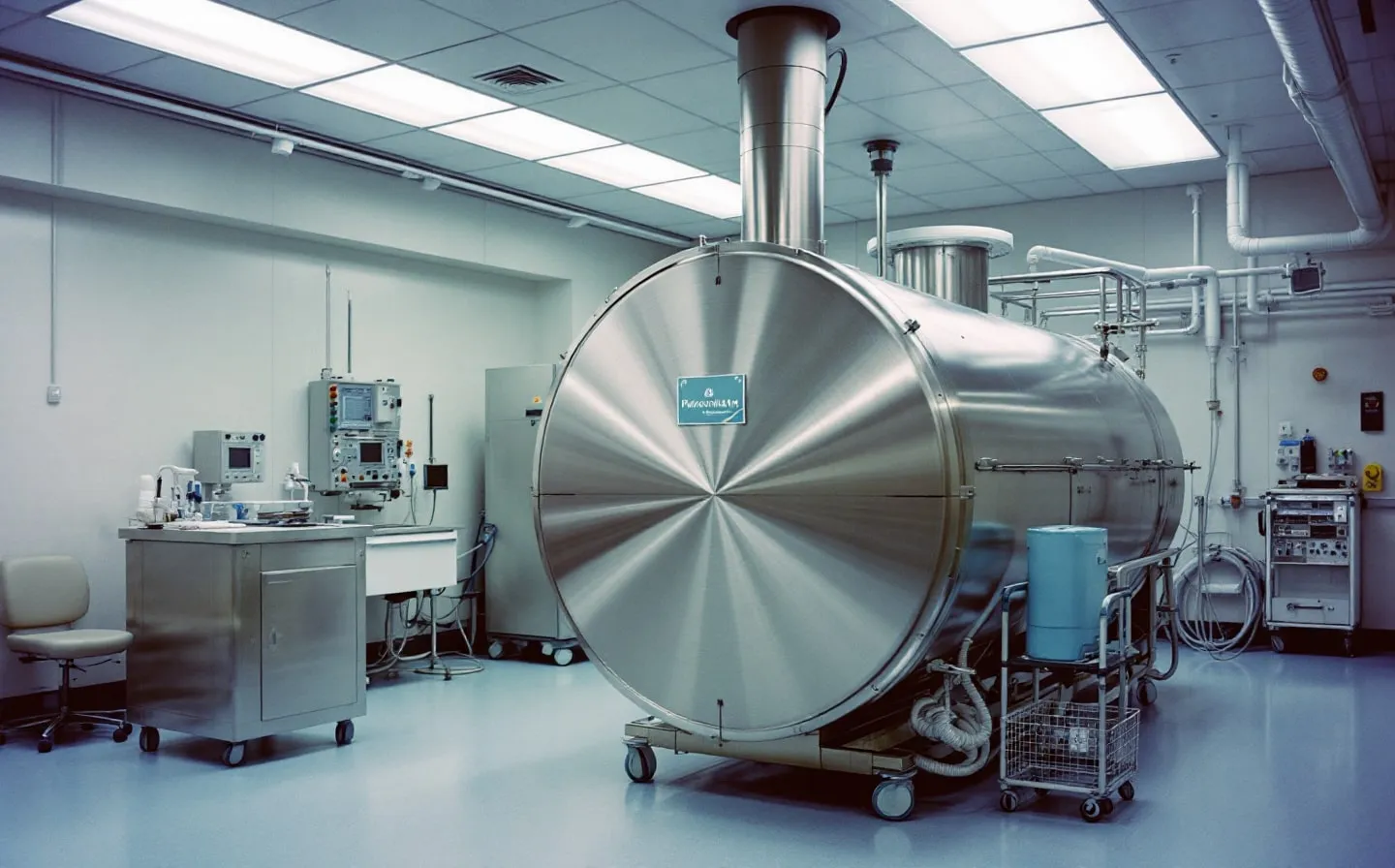
Pet aquamation — also called water cremation or alkaline hydrolysis — uses heated water and alkalinity instead of flame to return your pet’s body to bone ash. It’s a gentler, lower-energy alternative to traditional cremation, legal for pets across the US, and it returns more ash than flame. Expect to pay roughly $30–$80 more than flame cremation.
Below: how it works, what it costs for a pet, whether it’s legal where you live, how it compares to flame cremation, and how to choose a provider — from an independent resource with no provider to sell you.
What pet aquamation is
Aquamation is the common name for alkaline hydrolysis — and you’ll also see it called water cremation, green cremation, or resomation. Instead of flame, it uses a heated solution of about 95% water and 5% alkali (potassium or sodium hydroxide) to gently break the body down to its mineral components over several hours. What’s left is the same as flame cremation: clean bone ash you can keep, scatter, or bury.
Aquamation (water)
Gentlest optionHeated water + alkali, no flame
- Runs at about 200–300°F
- Takes ~3–16 hours; ashes back in 1–3 weeks
- Returns ~20–30% more ash, a cleaner white
- Uses far less energy; no direct emissions
- Typically costs about $30–$80 more
- Less widely available — fewer facilities have the equipment
Flame cremation
Heat and flame
- Runs at about 1,400–1,800°F
- Takes ~1–3 hours; ashes back faster
- Returns less ash, gray in color
- Higher energy use; produces combustion gases
- The price baseline
- Widely available almost everywhere
Neither is 'better' — it comes down to what matters to you. Figures are from Hallowed Paws' review of U.S. pet aftercare providers and CANA guidance, 2026.
For where it fits among all the choices, see how pet cremation works.
How the process works
The steps, based on standards from the Cremation Association of North America (CANA), the industry body for both flame and water cremation:
-
Placement
Your pet is placed in a stainless-steel vessel.
-
Heated solution
The vessel fills with the water-and-alkali solution and is gently heated — typically 200–300°F, far cooler than flame cremation's 1,400–1,800°F.
-
Breakdown
Over roughly 3 to 16 hours (depending on the system and your pet's size), the solution breaks the body down to bone fragments and a sterile liquid.
-
Liquid released
The liquid — sterile, DNA-free, and containing no tissue — is released to the wastewater system, the same as other facility water.
-
Ashes returned
The remaining bone fragments are dried and processed into a fine, white ash and returned to you.
Start to finish, getting your pet's ashes back usually takes one to three weeks — longer than flame cremation, because the process is slower and fewer facilities offer it.
There’s no flame, no smoke, and no direct emissions — which is the basis for aquamation’s environmental claims, covered below.
What you get back
With aquamation you receive your pet’s ashes, just as with flame cremation — but typically about 20–30% more of them (CANA cites roughly a third more). The gentler process leaves more of the bone behind rather than burning it away. The ash also comes back a cleaner, purer white than the gray ash flame cremation produces.
One practical note: because there’s more ash, you may need a slightly larger urn than you’d expect for a pet your size. Ask the provider what their standard urn holds.
What happens to the water?
What remains after the process is a sterile liquid — water, salts, amino acids, and minerals — that contains no DNA and no tissue. It’s released into the wastewater system the same way other facility water is, fully neutralized and pathogen-free. Some facilities go further and use it on land as a nutrient-rich soil additive.
There’s nothing of your pet in that liquid in the way people sometimes fear — your pet comes back to you as the bone ash. The water is simply what the gentle, low-temperature process leaves behind.
Is pet aquamation legal?
For pets, aquamation is legal in every U.S. state. The “it’s illegal here” worry almost always comes from the human rules — which lag in many states and simply don’t apply to pets. Use the map to check your state for both, then read on for why the two differ.
For pets, aquamation is legal in every U.S. state. For people, it's legal in 26 — the gap that confuses a lot of grieving owners. Switch the toggle, or find your state.
Aquamation is legal for pets in all 50 states.
Tap a state — or use the menu above — to see its status.
Aquamation is only one piece of the legal picture. For backyard burial and pet-cremation oversight too, see our 50-state map of pet after-death laws.
Why is human aquamation restricted for people at all? Not for safety — the science isn’t in question. It’s regulatory lag, plus, in some places, religious or aesthetic objections. The laws simply haven’t caught up. For your pet, none of that applies: the only real question is whether a provider near you offers it.
What pet aquamation costs in 2026
Pet aquamation runs a little more than flame cremation — generally $30 to $80 more for a comparable private service, because the equipment is newer and the process is slower. Typical 2026 ranges:
| Pet size | Private aquamation (ashes returned) |
|---|---|
| Cat / small pet (under 30 lb) | $150–$400 |
| Medium dog (30–60 lb) | $250–$450 |
| Large dog (60–120 lb) | $350–$800 |
| Premium / urban providers | $500–$1,500+ |
Those ranges line up with our own data: in a 2026 study of 118 U.S. providers, the median published aquamation price was $299 — essentially identical to private flame cremation ($300). Aquamation is the slightly-pricier choice at a given provider, not a separate price tier.
Urban areas tend to run 20–50% higher, and as with flame cremation, your pet’s weight and the service type (private vs. communal) drive most of the price. For how that fits the bigger picture, see our cost of pet cremation guide.
Is it really “greener”?
Aquamation is marketed as the eco-friendly choice, and the direction is well supported — but the specific numbers deserve honesty.
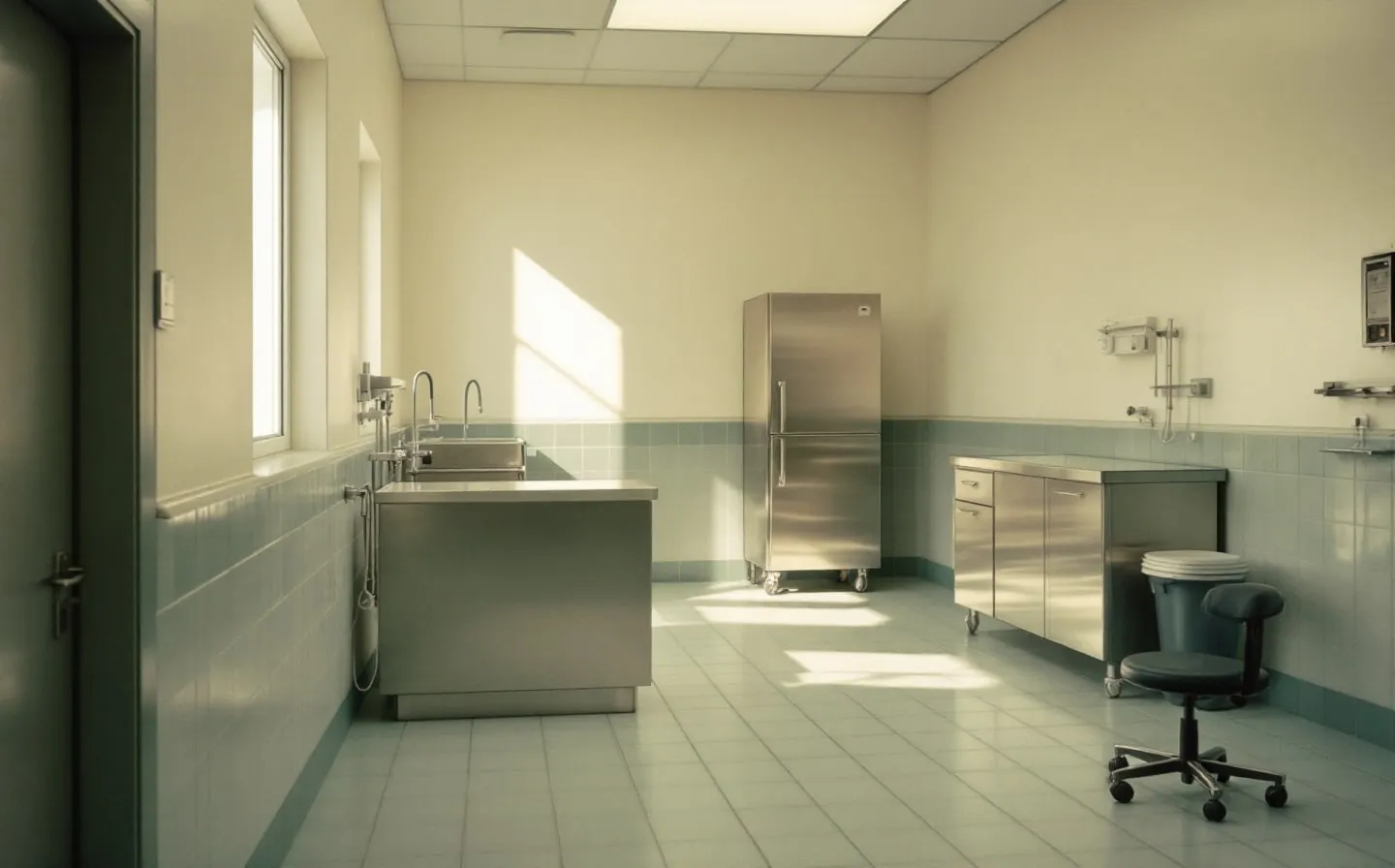
The honest version: independent figures put aquamation’s energy use at about a quarter of flame cremation’s, though some industry estimates claim up to 90% less. Because there’s no combustion, there’s no smokestack, no direct emissions, and no vaporized mercury from dental work — and CANA says the process carries a lower overall carbon footprint than both flame cremation and burial. The eye-popping single numbers (“90% less,” “a tenth of the carbon”) come mostly from equipment makers, not one independent peer-reviewed study — so treat those exact percentages as directional.
That said, the underlying physics is sound: a ~250°F water process simply uses far less energy than an ~1,700°F flame, and a process with no combustion has no combustion emissions. If environmental footprint is your deciding factor, aquamation is very likely the lower-impact choice. Just know the precise percentages get repeated more confidently than the evidence strictly supports.
We traced every one of those percentages back to its original source — and found most lead to marketing or a single industry-funded study, not independent science. For the full, honest breakdown (including how aquamation actually ranks against burial and electric cremation, and the one advantage that is airtight), see our deep dive: Is aquamation actually greener than cremation?
Is aquamation right for your pet?
A quick way to decide between aquamation and flame cremation:
Aquamation tends to be the better fit if you want the gentlest, lowest-energy option; you’d like more of your pet’s ashes returned; the environmental footprint matters to you; and you’re willing to pay a little more and wait a little longer.
Flame cremation tends to make more sense if you want your pet’s ashes back quickly, you’re working within a tight budget, or there’s no aquamation provider within a reasonable distance. There’s no wrong answer here — both return your pet to you with care.
Can every pet be aquamated?
Most can. Aquamation systems handle cats, dogs of nearly every size, and small animals routinely. Very large animals — a Great Dane, or a horse — may need a facility with a larger vessel, so it’s worth confirming when you call. The bigger practical limit, again, is simply whether a provider near you offers it at all.
How to choose an aquamation provider you can trust
Because aquamation is newer and less standardized, a few questions separate a good provider from a vague one:
- “Is this private (individual) or communal?” Like flame cremation, aquamation can be done individually or with several pets together. If you want your pet’s ashes back, confirm private.
- “How do you identify and track my pet through the process?” A reputable provider uses an ID system from intake to return.
- “What will I get back, and what urn does it come in?” Remember aquamation returns more ash — ask whether the standard urn fits.
- “How long will it take?” Aquamation is slower than flame; 1–3 weeks for return is common. A clear answer is a good sign.
- “Can I see the facility, or witness the process?” Confidence in answering this is itself a signal.
If a provider can’t answer these clearly, keep looking. For the questions that apply to any cremation, see private vs. communal cremation.
Finding aquamation near you
Because not every provider offers it, aquamation can take some searching — and that’s part of what we do. Tell us your city and we’ll connect you with the provider in your area we’d trust with our own pets, and tell you honestly whether aquamation is available near you or whether flame cremation is your realistic option. It’s free for pet owners, with no paid listings and no upsells — just a straight answer when you need one.
Sources
- Cremation Association of North America (CANA) — Alkaline Hydrolysis: human legality (26 states, March 2026), process parameters, and carbon-footprint guidance.
- American Cemetery & Cremation (Kates-Boylston) — The next big regulation: deathcare for pets: why pet aftercare is regulated outside human funeral law.
- Water cremation: overview of the chemistry, temperatures, energy use, and terminology.
- Hallowed Paws — 2026 Pet Cremation Cost Report: our study of 118 U.S. providers (aquamation median $299).
Laws and regulations change. We review this page periodically and date it — if you spot something out of date, tell us.